Sep 24, 2026
Pet-Friendly Turf: Solving the Muddy Paw Problem
Table of Contents
Every dog owner knows the routine. The dog goes outside. The dog comes back inside. The floors are covered in muddy paw prints. Again.
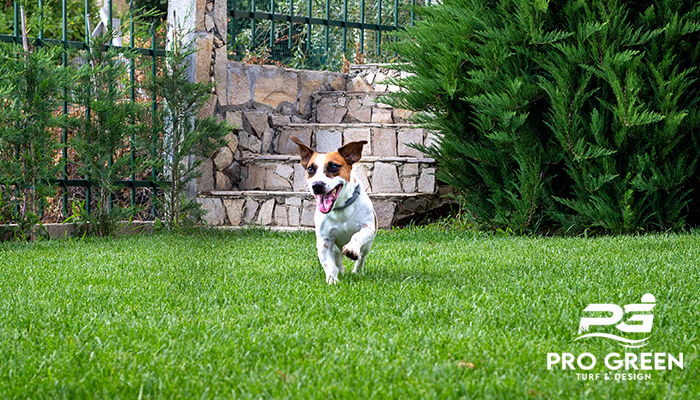
Natural grass and dogs have never been a great combination. Between the digging, the urine burns, the bare patches, and the mud that arrives with every rain, maintaining a usable lawn with an active dog feels like a losing battle. Artificial grass for dogs was designed specifically to solve these problems, and when installed correctly, it does.
What Dogs Do to Natural Lawns
Dogs don’t use lawns gently. They run repeated paths along fence lines, wearing the grass down to bare dirt. They dig holes out of boredom, instinct, or both. Their urine kills grass in concentrated spots, leaving yellowed patches that spread with every visit to the same area.
In the Lower Mainland’s rainy climate, these problems multiply. Bare patches turn into mud. Mud gets tracked through the house and ground into carpets. Reseeding works only if the dog stays off the area long enough for new grass to establish, which rarely happens.
The cycle repeats every year.
How Pet-Friendly Turf Is Built Differently
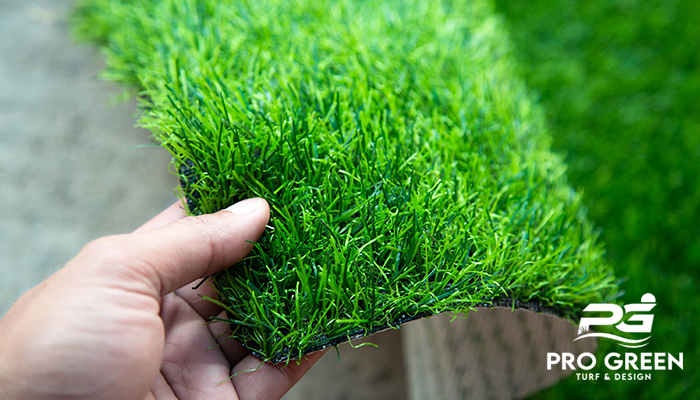
Not all synthetic turf handles pet use well. Products marketed as artificial grass for dogs are engineered with specific features that standard decorative turf may lack.
The fibres are non-toxic and antimicrobial, resisting bacterial growth from urine and organic waste. The backing is heavy-duty and perforated, designed for rapid liquid drainage rather than simply shedding surface water.
The sub-base beneath pet-friendly turf follows the same engineered approach as any professional installation: crushed aggregate, properly graded and compacted. But for pet areas, drainage capacity is even more critical. Urine needs to pass through the turf and into the base quickly, without lingering on the surface or creating odour.
Specialised infill options further address the odour question. Some infill products are coated with antimicrobial agents or designed to neutralise ammonia on contact. These are particularly useful for households with multiple dogs or small designated pet areas that receive heavy use, helping in creating safer and smarter outdoor spaces.
Drainage: The Factor That Matters Most
If there’s one thing that separates a successful pet turf installation from a disappointing one, it’s drainage.
A poorly drained system traps moisture. Trapped moisture breeds bacteria. Bacteria creates odour. No amount of surface cleaning fixes a drainage problem at the base level.
Proper drainage starts with the sub-base. The aggregate layer must be deep enough and compacted correctly to allow water (and diluted urine) to percolate downward and dissipate. In a region like Greater Vancouver, where rain is frequent and heavy, the drainage system must handle both natural precipitation and pet-related liquids simultaneously.
A qualified installer will assess the property’s existing drainage conditions before recommending a system. Slopes, soil types, and proximity to foundations all influence the design. If you are unsure where to start, read our guide on how to choose a reliable landscaper.
Keeping Pet Turf Clean
Daily maintenance is minimal. Solid waste is picked up the same way it would be on natural grass. Urine drains through the backing and doesn’t require immediate attention in a well-drained system.
A weekly rinse with a garden hose keeps the surface fresh. For deeper cleaning, enzyme-based cleaners break down organic residue without damaging the turf fibres or infill. These products are readily available at pet supply retailers and are safe for animals.
Periodic brushing with a stiff-bristled broom restores pile height in areas that get matted down from heavy traffic.
Is It Worth the Investment?
The upfront cost of pet-friendly turf is higher than laying sod. But the comparison shifts when you factor in annual expenses for lawn repair, reseeding, fertiliser, watering, and the carpet cleaning that follows every muddy season.
Most pet turf installations last 15 years or more with basic care. Over that span, the total cost of ownership is typically lower than the cumulative expense of maintaining and repeatedly repairing a natural lawn that a dog will damage again within months.
Pro Green Turf & Design installs pet-specific artificial grass for dogs across the Greater Vancouver area, with drainage systems engineered for BC’s wet climate. Our team can assess your yard and recommend the right turf and infill combination for your household.
Call (604) 442-5000 or book a free consultation online today to get started.
Stay Updated: Get seasonal lawn maintenance tips, outdoor living ideas, and landscape design insights directly on Google. Click here to prefer Pro Green Landscape on Google.