Jun 22, 2026
Sports Turf Buyer’s Guide: How to Choose, Install & Maintain the Best Athletic Field Surface
Table of Contents
Whether you’re building a soccer pitch, football field, baseball diamond, school athletic facility, or community sports complex, selecting the right turf can significantly impact player safety, performance, maintenance costs, and long-term durability.
At Pro Green Turf & Design, we’ve helped clients across British Columbia install premium sports turf systems designed to withstand heavy traffic, harsh weather, and year-round use. From site preparation and drainage to surface selection and ongoing maintenance, every decision affects how your field performs over time.
This guide answers the most common questions facility managers, schools, municipalities, and sports organizations ask when planning a sports turf project.
Quick Answers to All 40 Questions
- What Type of Grass Should I Choose for My Sports Field?
The best choice depends on:
- The sport being played
- Local climate conditions
- Available budget
- Maintenance resources
- Expected field usage
For high-use facilities, synthetic sports turf often provides the best durability and year-round performance.
- How Do I Pick the Right Turf for My Athletic Facility?
Consider:
- Number of users
- Hours of weekly play
- Local weather conditions
- Drainage requirements
- Long-term maintenance budget
Facilities hosting multiple sports often benefit from multi-purpose synthetic turf systems.
- Best Grass for Baseball Fields
Recommended options:
Natural Turf
- Kentucky Bluegrass
- Perennial Ryegrass
Synthetic Turf
- High-performance baseball turf with specialized infield systems
- What’s the Difference Between Natural and Synthetic Sports Turf?
| Requires watering | No watering |
| Needs mowing | Minimal maintenance |
| Can become muddy | Excellent drainage |
| Lower installation cost | Higher upfront investment |
| Higher yearly maintenance | Lower long-term upkeep |
- How Much Does Sports Turf Installation Cost?
Costs vary depending on:
- Field size
- Excavation requirements
- Drainage systems
- Turf quality
- Site accessibility
A professional consultation is essential for accurate pricing.
- How to Maintain Sports Turf Year-Round
Key tasks include:
- Regular brushing
- Debris removal
- Infill inspections and top-ups
- Drainage system checks
- Seam and surface inspections
Synthetic turf requires significantly less maintenance than natural grass, but it’s not care-free.
- Why Does My Sports Field Look Worn Out?
Common causes:
- Heavy foot traffic
- Soil or infill compaction
- Poor drainage
- Inadequate maintenance
- Aging turf materials
- How Often Should Sports Turf Be Replaced?
Most quality synthetic turf systems last:
- 10 to 20 years
Depending on usage and maintenance.
- Best Grass for Soccer Fields
For competitive soccer:
- FIFA-quality synthetic turf
- Kentucky Bluegrass blends
- Perennial Ryegrass blends
- Can You Install Sports Turf in Winter?
Yes, installation is possible if:
- The ground isn’t frozen
- Proper drainage and site preparation can be completed
While a good contractor can’t control the weather, they will find ways to work around conditions.
- How to Fix Bare Patches in Athletic Field Grass?
Solutions include:
- Overseeding
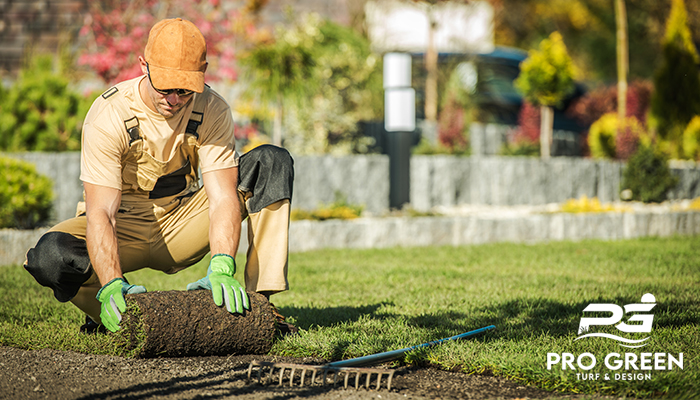
- Sod replacement
- Soil improvement
- Traffic management
- What’s the Best Time to Overseed a Sports Field?
Typically:
- Early fall
- Spring
Depending on the grass type and climate.
- Sports Turf Drainage: Why It Matters
Proper drainage:
- Prevents standing water and puddles
- Improves player safety
- Extends the life of the field
- Reduces long-term maintenance costs
Drainage is one of the most important parts of every sports turf installation.
- How Much Water Does Sports Turf Need?
Natural Grass
Requires regular irrigation.
Artificial Turf
Requires little to no watering except occasional cleaning.
- Natural vs Artificial Turf: Which Is Better?
Artificial turf is often best for:
- Schools
- Municipal facilities
- High-use fields
Natural grass may suit:
- Premium stadiums
- Facilities with dedicated maintenance teams
- Why Is My Athletic Field Muddy?
Usually caused by:
- Poor grading
- Compacted soil
- Insufficient drainage
- Best Grass Species for High-Traffic Sports Fields
- Perennial Ryegrass
- Kentucky Bluegrass
- Hybrid systems
- Sports-grade synthetic turf
- How to Prepare Soil Before Installing Sports Turf
Key steps:
- Site excavation
- Precision grading
- Drainage installation
- Base construction
- Proper compaction
- What Equipment Do I Need for Sports Turf Maintenance?
- Power broom
- Drag brush
- Leaf blower
- Infill spreader
- Turf sweeper
- How Long Does Sports Turf Take to Establish?
- Sod: 2-6 weeks
- Seed: 8-12 weeks
- Artificial Turf: Ready almost immediately after installation.
- Sports Turf Fertilizer: What Should I Use?
For natural turf:
- Nitrogen-rich balanced fertilizers
- Soil-test-based programs
- Can I Use Regular Grass Seed on My Sports Field?
Not recommended.
Sports fields require specialized seed blends designed for wear tolerance.
- How to Prevent Weeds in Sports Turf
- Professional installation
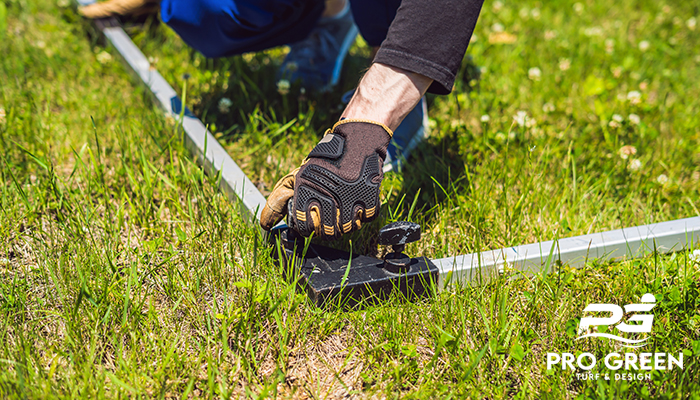
- Proper edge containment
- Routine inspections
- Prompt removal of unwanted growth
- Weed barriers
- Best Turf for Football Fields
Football fields need:
- High-durability synthetic turf systems
- Shock-absorbing underlayment
- Professional-grade sports turf designed for football
- Excellent drainage and wear resistance
- Sports Turf Aeration: Do I Really Need It?
- For natural grass: Yes.
- For synthetic turf: No traditional aeration is required.
- How to Improve Sports Field Playability and Safety
Focus on:
- Effective drainage
- Consistent playing surfaces
- Proper infill levels
- Routine maintenance
- Professional installation practices
- Budget-Friendly Sports Turf Options
Best options include:
- Multi-sport turf systems that support several activities
- Community-grade synthetic turf for recreational facilities
- Phased installation approaches for larger projects
- Investing in quality drainage to reduce future maintenance costs
- Sod vs Seeding
Sod
- Instant results
- Higher upfront cost
Seed
- Lower cost
- Longer establishment period
- Sports Turf Compaction
Common causes include:
- Repeated athletic activity
- Heavy maintenance equipment
- Poor drainage conditions
- Insufficient aeration
Solutions include aeration and soil management.
- Can Sports Turf Be Installed Over Existing Grass?
- Existing grass and organic material should typically be removed
- Proper excavation and base preparation are essential
- Installing over existing turf can lead to drainage and stability issues
A professional site assessment is recommended
- Best Grass Blend for Mixed-Use Athletic Fields
Recommended:
- Kentucky Bluegrass + Ryegrass blends
- Multi-sport synthetic turf systems
- How to Test Sports Field Soil
Evaluate:
- pH
- Nutrients
- Organic matter
- Drainage characteristics
- Sports Turf Renovation
Signs renovation is needed:
- Drainage issues
- Bare spots
- Safety concerns
- Surface inconsistencies
- Ideal Mowing Height
The ideal mowing height depends on the sport, grass species, and field conditions.
In general, most sports fields are maintained between 1 and 3 inches
- How Weather Affects Sports Turf
Weather impacts:
- Drainage
- Wear
- Growth rates
- Playing conditions
BC’s wet climate makes drainage particularly important.
- Sports Turf Installation Timeline
Typical process:
- Consultation
- Design
- Excavation
- Base preparation
- Turf installation
- Final inspection
Many projects can be completed in days rather than weeks depending on size.
- How to Make Sports Turf Last Longer
- Schedule regular inspections
- Maintain proper drainage
- Follow recommended maintenance practices
- Address repairs promptly
- Best Practices After Heavy Use
- Remove debris
- Inspect seams
- Brush turf
- Check drainage
- Repair damaged areas quickly
- Best Turf for Shaded Areas
Synthetic turf performs exceptionally well in shaded areas because it does not rely on sunlight to maintain its appearance or performance.
Natural grass can struggle in low-light conditions, requiring increased maintenance.
- How to Get the Greenest, Healthiest Sports Field
Success comes from:
- Proper installation
- Quality materials
- Strong drainage systems
- Consistent maintenance
Choosing the right sports turf isn’t simply about appearance. It’s about creating a safe, durable, and high-performing surface that supports athletes while minimizing long-term maintenance costs.
At Pro Green Turf & Design, we help schools, municipalities, sports clubs, and commercial facilities across British Columbia design and install premium sports turf systems built for durability, drainage, safety, and year-round performance. From consultation and site preparation to installation and ongoing support, our team delivers customized solutions based on your facility’s goals and usage requirements.

Affordable Turf Installation Langley Residents Can Count On!
The city of Langley is hustling, bustling, and growing as more and more people are calling it home, and businesses of different kinds have been popping up to accommodate and serve this growing populat...