Jun 17, 2026
Artificial Turf Installation: The Complete Homeowner’s Guide to Cost, Process, and Long-Term Success
Table of Contents
- Turf Installation FAQs :
- Bonus Topic: Artificial Turf for Putting Greens
- Bonus Topic: Artificial Turf for Patios and Decks
- Bonus Topic: Artificial Turf for Pet Areas
- Bonus Topic: Drainage Solutions for Artificial Turf
- Bonus Topic: Artificial Turf with Retaining Walls
- Bonus Topic: Luxury Backyard Turf Installation
- Bonus Topic: Artificial Turf Maintenance After Installation
- Bonus Topic: Artificial Turf Lifespan and Durability
- Bonus Topic: Fixing Poorly Installed Artificial Turf
- Bonus Topic: Artificial Turf Removal and Reinstallation
Artificial turf has become one of the most popular landscaping upgrades for homeowners across British Columbia. Whether you’re tired of mowing, struggling with muddy lawns, dealing with water restrictions, or simply want a beautiful yard that stays green year-round, artificial grass offers a practical and long-lasting solution.
At Pro Green Turf & Design, we’ve helped homeowners, businesses, schools, and recreational facilities transform their outdoor spaces with premium synthetic turf. Through hundreds of successful projects across Vancouver, Langley, Surrey, Burnaby, Richmond, Coquitlam, Delta, and surrounding communities, we’ve seen firsthand what makes a turf installation successful and what mistakes can lead to costly problems later.
This guide answers the most common questions homeowners ask before investing in artificial turf. We’ll cover installation costs, timelines, preparation requirements, DIY considerations, contractor selection, and expert recommendations to help you make the best decision for your property.
Turf Installation FAQs :
- How Much Does Artificial Turf Installation Cost?
Artificial turf installation costs depend on:
- Total square footage
- Turf quality and pile height
- Site accessibility
- Excavation requirements
- Drainage challenges
- Existing landscape removal
- Special features such as putting greens or pet areas
The size of the project can also influence the overall price, with per-square-foot estimates often decreasing for larger properties. Projects that require significant excavation, retaining walls, drainage systems, or custom designs can also increase your project’s overall cost. Regardless, professional installations almost always offer better long-term value by reducing the risk of future repairs.
- Is Artificial Grass Installation a DIY Project?
Yes, but only under certain circumstances.
DIY may work if:
- The area is small
- Ground is relatively level
- Drainage is straightforward
- You have access to proper equipment
DIY becomes difficult when:
- Extensive grading is required
- Drainage issues exist
- Multiple seams are needed
- Slopes are involved
- Access is limited
Many homeowners underestimate the importance of excavation, grading, compaction, and seam work, resulting in disappointing outcomes.
- What’s Involved in Installing Artificial Turf in Your Yard?
Professional installation generally includes:
- Site inspection
- Design and measurements
- Excavation
- Grading
- Drainage preparation
- Base installation
- Base compaction
- Turf placement
- Seam joining
- Edge securing
- Infill installation
- Final grooming
Proper site preparation is one of the most important factors for the long-term performance of the turf system.
- How Long Does Artificial Turf Installation Take?
Typical timelines:
- Small residential yard: 1-2 days
- Medium backyard: 2-4 days
- Large properties: 4-7 days
- Complex custom projects: 1-2 weeks
Weather, access, grading requirements, and project complexity all affect installation schedules.
- Do I Need to Hire a Professional for Turf Installation?
For most homeowners, professional installation is highly recommended. Installing artificial turf is more complicated than it may appear. It is not like rolling out a carpet.
Professionals bring:
- Specialized equipment
- Drainage expertise
- Proper grading techniques
- Material sourcing
- Warranty protection
- Faster completion
The quality of installation often determines whether turf lasts 5 years or 20 years, not to mention the visual quality of the end results.
- What Preparation Is Needed Before Installing Artificial Grass?
Before installation:
- Remove existing vegetation
- Address drainage concerns
- Identify utility lines
- Finalize design layout
- Plan edging and transitions
- Ensure equipment access
Proper planning prevents costly adjustments later.
- How Much Base Material Do You Need for Artificial Turf?
Most residential projects require:
- 3-4 inches of compacted base material
- More depth in high-traffic areas
- Additional depth where drainage improvements are needed
Exact requirements depend on soil conditions and intended use.
- What to Know Before Installing Artificial Turf
Proper installation hinges on proper planning. Important considerations:
- Drainage design
- Sun exposure
- Intended usage
- Pet requirements
- Warranty coverage
- Turf quality
- Local regulations
A beautiful turf installation starts with proper planning.
- Why Is Artificial Turf Installation So Expensive?
Many homeowners focus only on the turf itself.
The majority of installation costs often come from:
- Excavation
- Disposal
- Base materials
- Compaction
- Drainage systems
- Skilled labor
- Equipment
These components create the foundation that allows the turf to perform properly for years.
- How to Find a Reliable Artificial Turf Installer
Look for:
- Strong online reviews
- Portfolio of completed projects
- Local experience
- Licensed and insured operation
- Detailed written estimates
- Labor warranties
- What Questions Should I Ask My Turf Installation Company?
Ask:
- What turf varieties do you offer, and how do they differ?
- What base materials do you use?
- How deep will the excavation and base preparation go?
- How do you address drainage?
- Do you offer warranties on both materials and labour?
- Can I see examples of previous projects?
- Who will supervise the installation?
- Is the turf suitable for pets and high-traffic areas?
These questions can go a long way in revealing the quality of the contractor.
- Can You Install Artificial Turf on Existing Grass?
Technically yes.
Professionally? No.
Existing grass decomposes over time, causing uneven surfaces and drainage issues.
The best practice is to remove it completely before installation.
- How Deep Does the Base Need to Be for Artificial Turf?
Most residential applications require:
- 3-4 inches compacted base
- Additional depth in wet areas
- Customized depth for sports applications
- Artificial Turf Installation: Excavation and Grading Explained
Excavation removes:
- Existing grass
- Roots
- Organic material
Grading creates:
- Proper drainage
- Stable surface
- Long-term performance
This is one of the most important phases of installation.
- What Happens if Artificial Turf Is Installed Incorrectly?
Common problems include:
- Water pooling
- Visible seams
- Wrinkles
- Uneven surfaces
- Weed growth
- Edge lifting
- Premature failure
Most issues can be traced back to poor preparation.
- How to Get Accurate Artificial Turf Installation Quotes
For accurate quotes:
- Request onsite visits
- Provide as much detail as possible on your goals for the project
- Highlight any known issues, such as poor drainage
- Review warranty details
- Compare the scope of work when obtaining multiple quotes
- Ask what’s included
Avoid estimates provided solely over the phone.
- Artificial Turf Installation for Different Yard Sizes: What to Expect
Small Yards
Faster installation and lower total cost.
Medium Yards
Most common residential projects.
Large Properties
Require more planning but often achieve lower cost per square foot.
- Can You Install Artificial Turf Yourself or Always Hire Help?
Small projects can be DIY.
Large projects, slopes, pet areas, and premium landscapes generally benefit from professional installation.
- What Equipment Is Needed for Artificial Turf Installation?
Common equipment includes:
- Sod cutter
- Excavator
- Plate compactor
- Wheelbarrows
- Utility knives
- Turf cutter
- Power broom
- Laser level
- How to Ensure Your Artificial Turf Installation Lasts
- Invest in proper base preparation
- Choose quality turf
- Keep drainage systems clear
- Perform occasional cleaning
- Address repairs quickly
Properly installed and well-maintained turf can last 15-20 years.
- Artificial Turf Installation Near Me: How to Find Local Installers
Finding the right installer is just as important as choosing the right turf product. Start by researching local companies with proven experience in artificial grass installation. Review their portfolio, read customer testimonials, and verify their licensing and insurance.
Look for contractors who provide:
- Free consultations
- Detailed written estimates
- Product and workmanship warranties
- Local project references
- Experience with drainage and grading
A reputable installer should be able to show examples of projects similar to yours and explain their installation process in detail.
- What’s the Difference Between Professional and DIY Turf Installation?
The biggest difference comes down to preparation and long-term performance.
Professional installation typically includes:
- Proper excavation
- Accurate grading
- Drainage planning
- Commercial-grade compaction equipment
- Seam and edge finishing
- Warranty coverage
DIY projects can save money initially, but mistakes in grading, drainage, or compaction can lead to costly repairs later.
Professionally installed turf generally looks more natural, drains better, and lasts longer.
- How Much Soil and Stone Do You Need for Turf Installation?
The amount of material depends on your yard size and excavation depth.
Most residential projects require:
- Removal of 3-4 inches of existing soil
- Installation of 3-4 inches of compacted crushed stone base
- Additional material in areas with poor drainage
A contractor can calculate exact quantities based on square footage and site conditions.
- Artificial Grass Installation: Common Mistakes to Avoid
Some of the most common installation mistakes include:
- Skipping excavation
- Using insufficient base material
- Poor compaction
- Incorrect seam placement
- Inadequate drainage
- Choosing low-quality turf
- Installing over existing grass
These shortcuts may reduce upfront costs but often result in premature turf failure.
- Should I Install Artificial Turf Myself or Hire a Contractor?
You might consider DIY if:
- The area is small
- The ground is already level
- You have access to the proper tools
- You’re ready to dig, compact soil, and install turf on your own
Consider hiring a contractor if:
- The project exceeds 500 square feet
- Drainage improvements are needed
- Slopes or retaining walls are involved
- You want warranty protection
For most homeowners, professional installation provides better value and peace of mind.
- What Is the Best Base Material for Artificial Turf Installation?
The most recommended base material is crushed aggregate or road base.
A quality base should:
- Drain efficiently
- Compact firmly
- Resist shifting over time
- Support foot traffic
Organic materials and loose soils should never be used as a turf foundation because they settle unevenly and can create surface issues.
- How to Prepare Your Yard for Professional Turf Installation
Homeowners can help speed up installation by:
- Removing outdoor furniture
- Relocating vehicles from access areas
- Marking irrigation systems
- Identifying underground utilities
- Trimming nearby vegetation
Professional crews will handle excavation and grading, but preparing the site in advance can improve efficiency.
- Artificial Turf Installation for Patios and Decks: Special Considerations
Artificial turf can be installed on:
- Concrete patios
- Rooftop decks
- Balconies
- Composite decking
Key considerations include:
- Drainage pathways
- Surface stability
- Attachment methods
- Weight limitations for elevated structures
Turf can soften hard surfaces and create a more comfortable outdoor living space.
- How to Compact Base Material for Artificial Turf Properly
Compaction is one of the most important steps in turf installation.
Professional installers use plate compactors or rollers to compress the base material in multiple layers.
Proper compaction helps:
- Prevent settling
- Reduce surface movement
- Improve drainage
- Extend turf lifespan
Poor compaction can lead to uneven areas and low spots over time.
- Artificial Turf Installation Warranty: What’s Typically Covered?
Most warranties include:
- Manufacturing defects
- UV protection
- Color fading
- Fiber degradation
Installation warranties may cover:
- Seam separation
- Edge lifting
- Workmanship issues
Always ask your contractor for both product and labour warranty details before signing a contract.
- Can Artificial Turf Be Installed on Slopes or Uneven Ground?
Yes.
In fact, artificial turf often performs well on slopes because it helps reduce erosion and eliminates mowing challenges.
However, proper grading and securing techniques are critical to prevent movement or wrinkling.
Steeper slopes may require additional anchoring systems and drainage solutions.
- What Permits Do You Need for Artificial Turf Installation?
Permit requirements vary by municipality.
In most residential projects, no permit is required to replace an existing lawn.
Permits may be needed when:
- Constructing retaining walls
- Significant grading or changes to the site elevation are required
- Modifying or installing drainage systems
- Commercial or multi-family properties
- Work affects public rights-of-way or utility easements
Always verify local requirements before beginning construction.
- How to Remove Old Grass Before Installing Artificial Turf
The recommended process includes:
- Remove existing sod and vegetation.
- Excavate organic material.
- Remove roots and debris.
- Grade the area.
- Install and compact the new base.
Removing the old lawn completely helps create a stable foundation and prevents future settling.
- Artificial Turf Installation Cost Per Square Foot: Pricing Breakdown
Installation costs vary depending on:
- Turf quality
- Site conditions
- Accessibility
- Drainage requirements
- Project complexity
If requesting higher-quality, premium turf or if your project includes advanced drainage systems, decorative borders, and custom landscaping features, be sure to compare quotes based on total scope rather than price alone.
- Is Artificial Turf Installation Worth the Investment?
For many homeowners, yes.
Benefits include:
- Reduced water usage
- No mowing
- Lower maintenance costs
- Year-round curb appeal
- Increased usability of outdoor spaces
Over time, reduced maintenance and landscaping expenses can offset the initial installation cost, not to mention years of hassle-free enjoyment.
- When’s the Best Time to Install Artificial Turf?
Artificial turf can be installed year-round.
Professional installers can work in various weather conditions, although heavy rain may temporarily delay excavation and grading.
- How to Get Multiple Artificial Turf Installation Quotes
To compare quotes effectively:
- Request on-site assessments
- Review the scope of work
- Compare turf specifications
- Evaluate warranty coverage
- Verify whether drainage solutions and other works are included
The cheapest quote is not always the best value if important installation steps are excluded.
- What to Expect on Installation Day for Your Artificial Turf
A typical installation day may include:
- Material delivery
- Excavation
- Base preparation
- Compaction
- Turf placement
- Seam installation
- Final grooming
The installation crew should keep you informed throughout the process and answer any questions about progress.
- Artificial Turf Installation for Pet Owners: Special Requirements
Pet-friendly turf installations may require:
- Enhanced drainage systems
- Odour-control infill
- Durable turf fibers
- Easy-clean surfaces
These features help maintain cleanliness while providing a safe and comfortable environment for pets.
- How Professional Artificial Turf Installation Differs From DIY
Professional installation offers:
- Better drainage performance
- More precise grading
- Stronger seams
- Longer lifespan
- Warranty protection
- Superior appearance
DIY projects can work well for small spaces, but larger or more complex projects typically benefit from professional expertise.
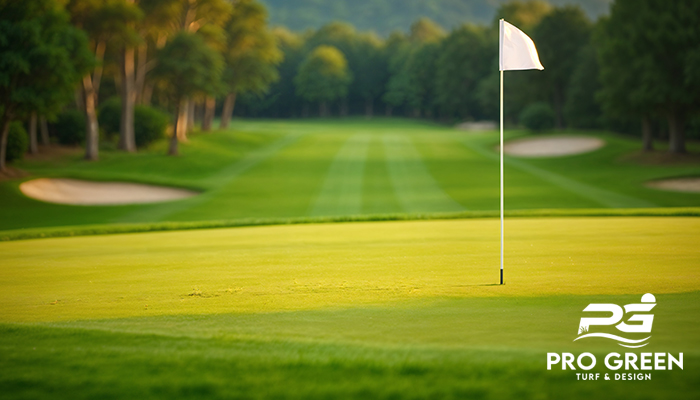
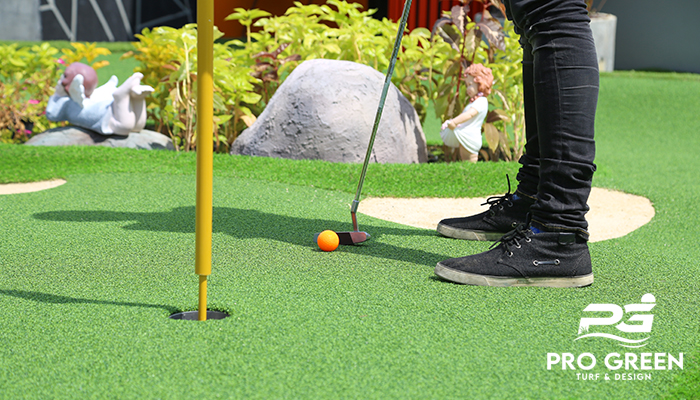
Bonus Topic: Artificial Turf for Putting Greens
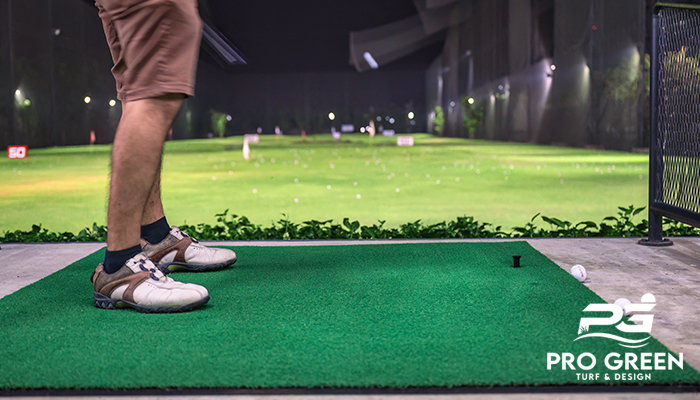
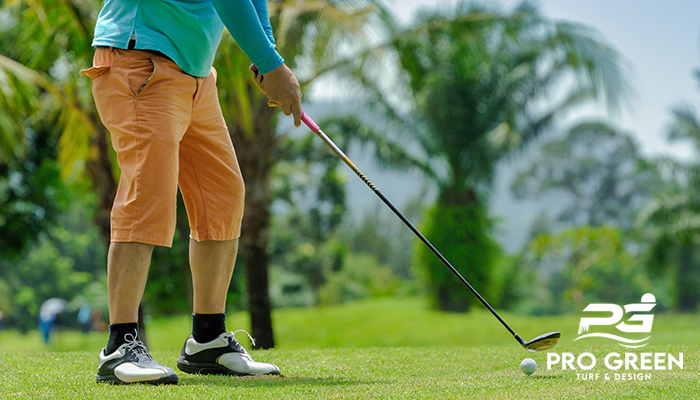
Artificial putting greens allow homeowners to practice golf year-round without the maintenance requirements of natural grass.
Benefits include:
- Consistent ball roll
- Custom contours
- Low maintenance
- Long-term durability
Professional installation ensures proper grading and realistic playability.
Bonus Topic: Artificial Turf for Patios and Decks
Artificial grass can transform patios and decks into comfortable outdoor living areas.
Benefits include:
- Soft underfoot feel
- Improved aesthetics
- Reduced heat reflection
- Easy maintenance
Proper drainage and attachment methods are essential for long-term performance.
Bonus Topic: Artificial Turf for Pet Areas
Pet-specific turf systems are designed to handle heavy use while remaining clean and odour-resistant.
Features often include:
- Fast drainage
- Antimicrobial protection
- Durable fibers
- Easy sanitation
These systems create mud-free environments for dogs and other pets.
Bonus Topic: Drainage Solutions for Artificial Turf
Drainage is one of the most important components of a successful installation.
Common solutions include:
- Permeable turf backing
- Crushed aggregate bases
- Drainage channels
- French drains
- Surface grading
Proper drainage helps prevent standing water and extends turf lifespan.
Bonus Topic: Artificial Turf with Retaining Walls
Combining turf with retaining walls can create attractive, multi-level landscapes.
Benefits include:
- Improved erosion control
- Enhanced usability
- Modern landscape design
- Better space utilization
Proper planning ensures stability and effective water management.
Bonus Topic: Luxury Backyard Turf Installation
Luxury turf installations often include:
- Custom putting greens
- Outdoor kitchens
- Fire features
- Decorative paving
- Integrated lighting
- Water features
Artificial turf provides a clean, green foundation for premium outdoor living spaces.
Bonus Topic: Artificial Turf Maintenance After Installation
Maintenance requirements are minimal but important.
Recommended practices include:
- Removing debris regularly
- Brushing fibers occasionally
- Rinsing pet areas
- Inspecting seams and edges
- Addressing stains promptly
Simple maintenance can help preserve the appearance and performance of your turf for years.
Bonus Topic: Artificial Turf Lifespan and Durability
Quality artificial turf typically lasts between 15 and 20 years when professionally installed and properly maintained.
Factors affecting lifespan include:
- Product quality
- Traffic levels
- UV exposure
- Installation quality
- Maintenance practices
The foundation beneath the turf is often just as important as the turf itself.
Bonus Topic: Fixing Poorly Installed Artificial Turf
Common repairs include:
- Re-levelling low spots
- Replacing damaged sections
- Repairing seams
- Improving drainage
- Recompacting the base
Early intervention can often prevent more expensive replacement projects.
Bonus Topic: Artificial Turf Removal and Reinstallation
Turf may need replacement when:
- It reaches the end of its lifespan
- Significant damage occurs
- Drainage systems fail
- Landscape designs change
A professional assessment can determine whether repair or full replacement is the most cost-effective option.
Artificial turf is more than just a landscaping upgrade. It’s an investment in your property’s appearance, functionality, and long-term maintenance savings.
The key to a successful turf project isn’t simply choosing the right grass product. It’s choosing the right installer. Professional installation ensures proper excavation, grading, drainage, base preparation, and installation techniques are followed from the very beginning.
While DIY installation can work for small and straightforward projects, most homeowners achieve better long-term results by working with experienced professionals who understand local soil conditions, drainage requirements, and proper construction methods.
At Pro Green Turf & Design, we’ve seen how a properly installed turf system can provide 15 to 20 years of beauty, functionality, and enjoyment. We’ve also seen how shortcuts during installation can lead to drainage problems, uneven surfaces, seam separation, and premature replacement costs.
Whether you’re installing turf for your family, pets, putting green, commercial property, or recreational space, investing in proper installation today will help ensure your artificial lawn performs exactly as intended for years to come.