Nov 26, 2026
Choosing Artificial Turf for Different Yard Uses: The Ultimate Homeowner and Commercial Guide
Table of Contents
- Understanding Face Weight, Pile Height, and Fiber Density
- Selecting the Right Blade Shape for Traffic Resilience
- Pet-Specific Turf Systems and Drainage Architecture
- Specialty Applications: Putting Greens and Vertical Living Walls
- Design Your Dream Landscape with Pro Green Turf & Design
- Eco-Conscious Water Conservation and Lower Mainland Bylaws
Transforming a muddy, weed-choked backyard, establishing a pristine commercial courtyard, or creating a safe outdoor play area for children and pets represents an exciting property upgrade across British Columbia. However, when property owners begin exploring synthetic turf options, they are frequently overwhelmed by the sheer variety of blade profiles, face weights, pile heights, and backing technologies available in today’s landscape marketplace.
Selecting the wrong artificial turf specification for your specific lifestyle or commercial foot traffic leads to flattened fibers, poor drainage, lingering pet odors, or unnatural plastic glare. Learning how to choose artificial turf tailored to your property’s exact functional demands ensures your outdoor space remains vibrant, resilient, and virtually maintenance-free for decades. At Pro Green Turf & Design, based in Langley and serving Vancouver and the entire Lower Mainland, our experienced turf specialists guide homeowners, landscape architects, and commercial developers toward optimal turf selections.
Understanding Face Weight, Pile Height, and Fiber Density
When reviewing artificial turf technical specification sheets, three primary structural metrics determine the carpet’s visual fullness, tactile softness, and traffic durability:
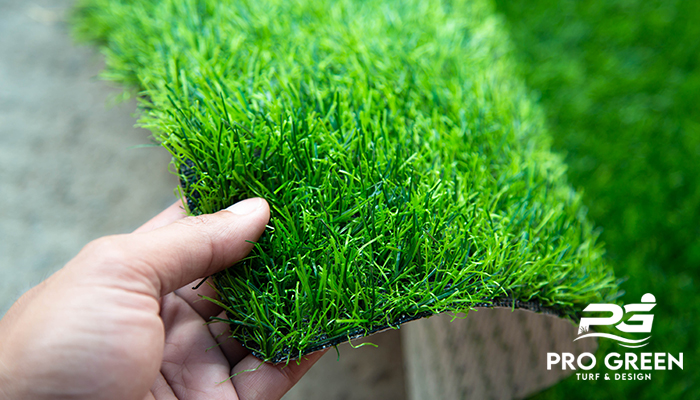
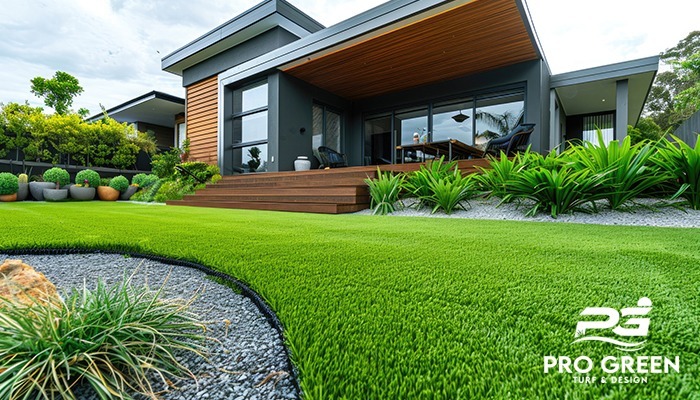
Face Weight: Measured in ounces per square yard, face weight refers exclusively to the weight of the synthetic yarn fibers, excluding the backing material. Residential landscape turf typically ranges from 50 to 90 ounces. Higher face weight products deliver a denser, plusher feel under bare feet, ideal for master bedroom patios and front showpiece lawns, while medium face weights offer greater spring-back resilience in active play zones.
Pile Height: Refers to the length of the synthetic grass blades measured from the backing to the tip. An optimal pile height for residential lawns is between 1.25 and 1.75 inches. Blades longer than two inches look luxurious initially but tend to bend and mat under heavy foot traffic, requiring frequent brushing.
Thatch Layer Density: High-quality landscape turf incorporates a dense, curly secondary layer of tan and olive-green texturized thatch beneath the upright blades. This thatch mimics the natural organic undergrowth of real grass while physically supporting the primary blades in an upright position.
Selecting the Right Blade Shape for Traffic Resilience
Synthetic grass blades are engineered in diverse geometric cross-sections that balance realistic appearance with mechanical bounce-back memory:
C-Shape and W-Shape Blades: Engineered with micro-curvatures that diffuse direct sunlight, eliminating the artificial plastic shine common in older turf products. These structural shapes offer exceptional memory resilience, bouncing back upright after being trampled by children, pets, or patio furniture.
Diamond and V-Shape Fibers: Offer firm vertical structure and high wear tolerance, making them an excellent choice for commercial retail plazas, daycare facilities, and active sports applications.
Flat Blades: While very soft to the touch, flat fibers lack internal structural reinforcing and flatten quickly under moderate foot traffic. They are best reserved for decorative landscape accents with zero foot traffic.
Pet-Specific Turf Systems and Drainage Architecture
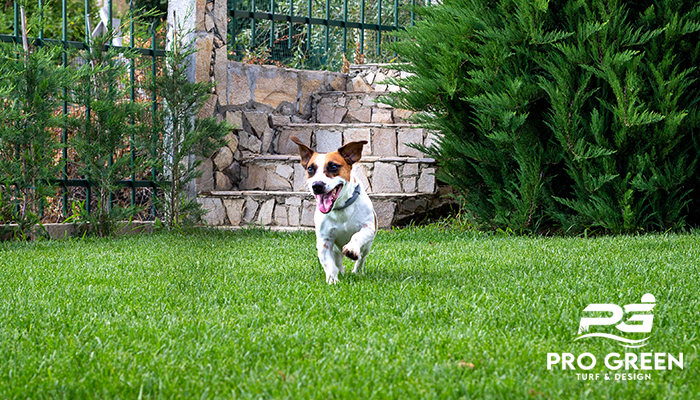
If your household includes energetic dogs, standard landscaping turf is inadequate. Pet applications require specialized turf engineering:
100% Permeable Polyurethane Backings: Traditional hole-punched backings drain well, but fully permeable woven matrices evacuate liquids across every square inch, eliminating pet urine pooling and ensuring immediate drainage during wet coastal rainstorms.
Antimicrobial Yarn Additives: Premium pet turf incorporates antimicrobial agents directly into the polymer fiber mix during extrusion, inhibiting bacterial growth and preventing stubborn mold and mildew formation.
Organic Infill Solutions: Pairing pet turf with non-absorbent volcanic zeolite or coated silica infills neutralizes acidic ammonia odors naturally, keeping dog runs and backyard play zones fresh and hygienic.
Specialty Applications: Putting Greens and Vertical Living Walls
Beyond traditional lawn replacements, Pro Green Turf & Design specializes in custom recreational and decorative installations across Greater Vancouver:
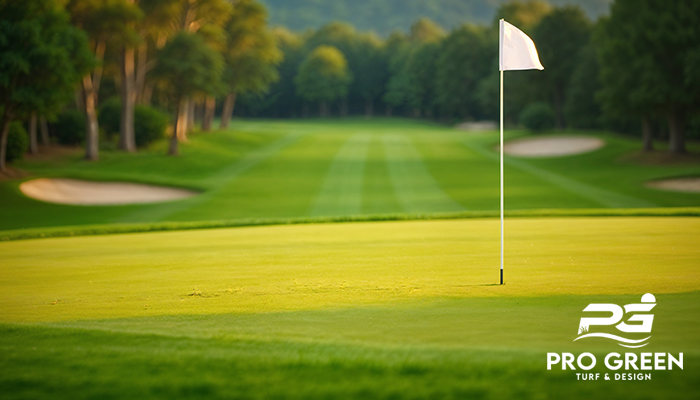
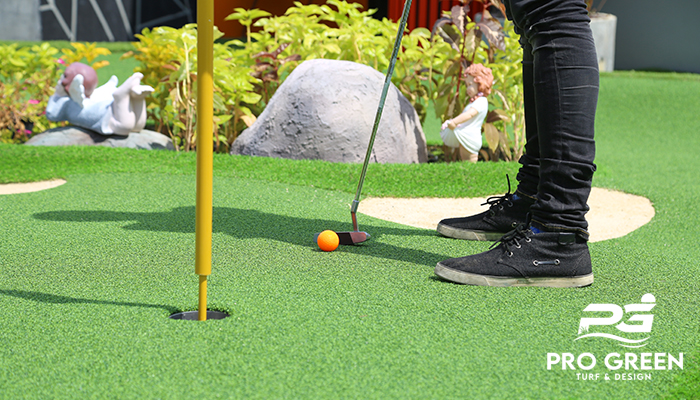
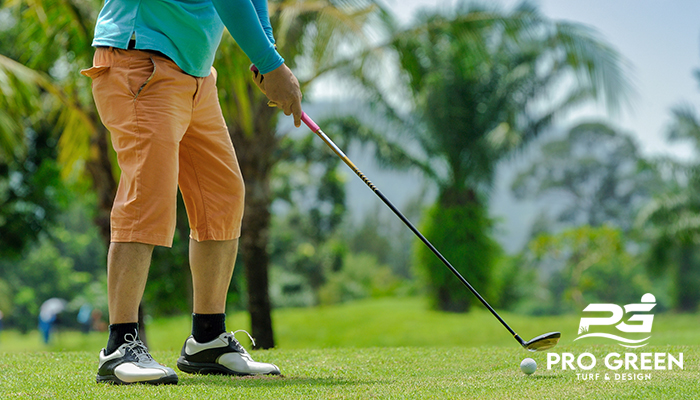
Custom Golf Putting Greens: Constructed with dense, non-directional nylon or poly slit-film fibers paired with rounded silica sand infill. This enables golfers to tune the putting surface to exact Stimpmeter speeds, reproducing authentic country club green conditions in private backyards.
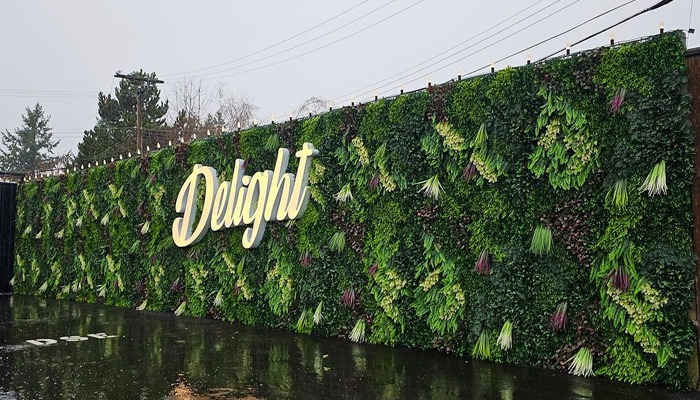
Vertical Artificial Green Walls: Transform bare interior accent walls, patio privacy screens, or commercial restaurant facades with lush UV-stabilized faux foliage panels that deliver natural beauty without ongoing irrigation or pruning requirements.
Design Your Dream Landscape with Pro Green Turf & Design
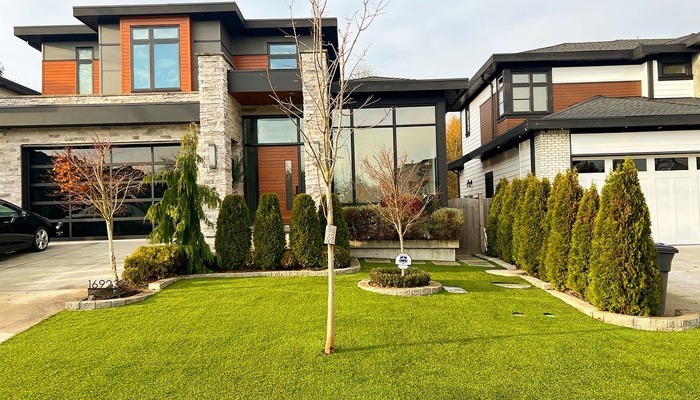
Investing in artificial grass is a long-term capital enhancement that eliminates loud weekend mowing, costly chemical fertilizers, and muddy paw prints permanently. Pro Green Turf & Design brings decades of hardscaping and synthetic turf installation expertise to residential and commercial properties throughout Langley, Surrey, Vancouver, Burnaby, Richmond, and Coquitlam.
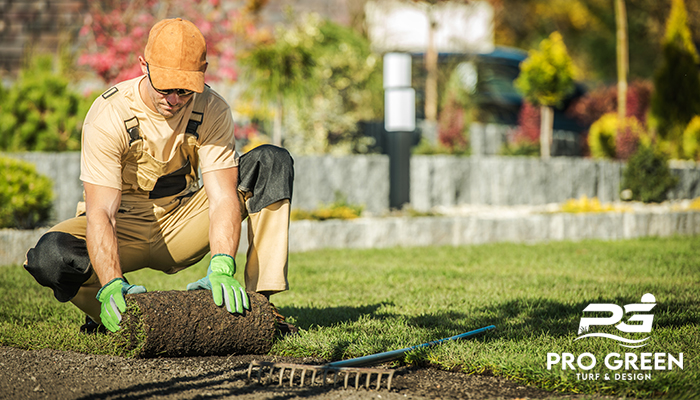
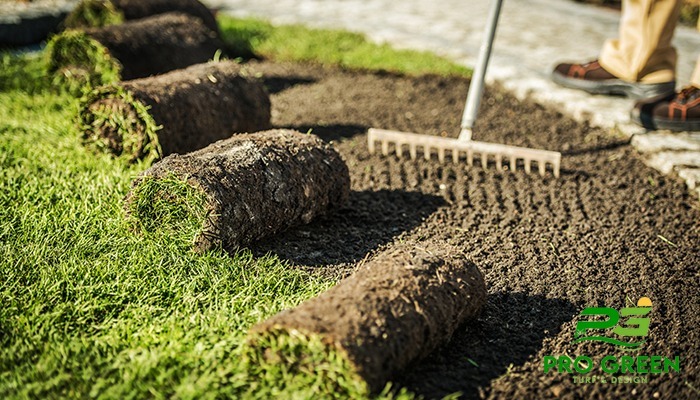
Our professional installation crews ensure proper ground excavation, aggregate sub-base compaction, and smooth seam joining for a picture-perfect result.
Eco-Conscious Water Conservation and Lower Mainland Bylaws
In recent years, municipalities throughout Greater Vancouver have enacted strict summer watering regulations that forbid conventional lawn irrigation for months at a time. Transitioning to synthetic grass allows property owners to conserve thousands of gallons of municipal drinking water each season.
Beyond lowering utility water bills, artificial lawns eliminate toxic runoff from chemical fertilizers and weed killers, actively protecting local salmon spawning rivers and community groundwater tables.
To explore our full turf sample collection and schedule a complimentary on-site design consultation, visit progreenlandscape.ca or contact our team today.
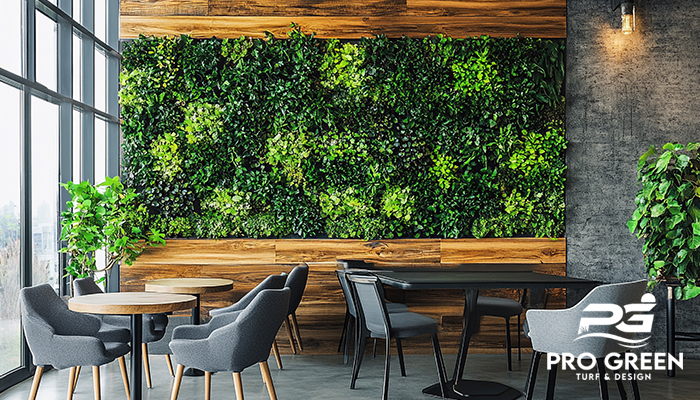
Artificial Green Walls: What They Are Made Of and Where They Actually Work
Walk through most new hotel lobbies, renovated restaurants, or modern office entrances and you will find a wall covered in greenery. Some of it is living. A lot of it is not. Artificial green walls ha...